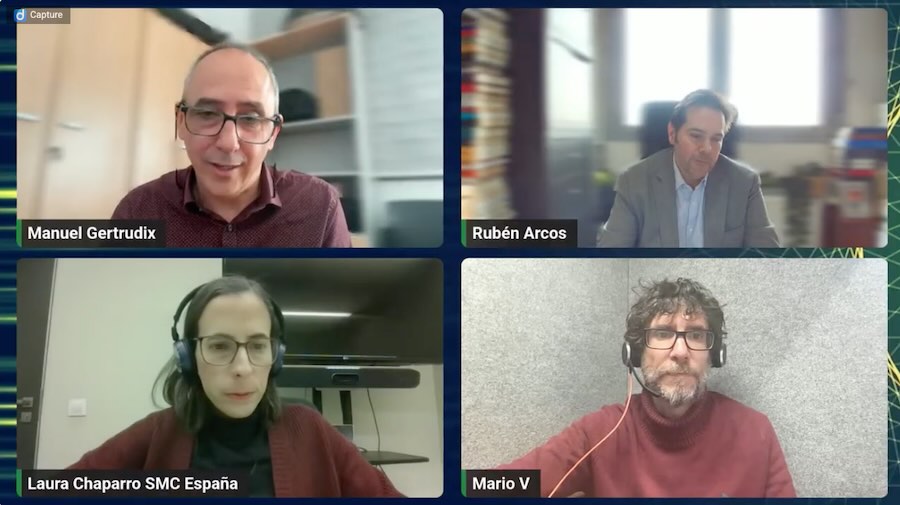
The European project POWER has launched the “Clean Energy Cafés with science communicators” series aimed at creating spaces for exchange between professionals and experts to address one of the key challenges of the energy transition: effective communication in a context shaped by disinformation.
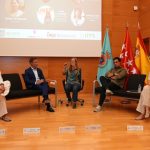
The first session, held on March 4th at the Fuenlabrada campus (URJC, Spain), took the form of a Clean Energy Café, bringing together journalists, researchers, and fact-checkers to discuss how narratives around renewable energy are constructed, distorted, and circulated in digital environments.
In a landscape where misleading claims about renewable energy—ranging from exaggerated costs to doubts about reliability—are increasingly გავრცელated, the session provided a platform to critically examine how such narratives influence public perception and hinder informed decision-making. The discussion emphasized the need for rigorous, transparent, and accessible communication strategies that can counteract disinformation and foster trust in clean energy solutions.
This initiative is fully aligned with POWER’s focus on media literacy and the social acceptance of renewable energy, positioning communication as a strategic dimension in the transition process, rather than a secondary or purely informative layer.
The content from this first session is now available online as part of the Clean Energy Cafés – Communicators series, extending the impact of the discussion and making its insights accessible to a wider audience.
Through this series, POWER reinforces its commitment to bridging research, communication, and society, contributing to a more informed public debate on clean energy and supporting the development of critical competencies to disinformation.