The Digital Ecosystem for the Energy Transition is an educational project developed with students enrolled in the Bachelor’s Degree in Digital Communication at Universidad Rey Juan Carlos (URJC). Conceived as an associated educational activity that complements and extends the POWER project’s training and communication goals, the initiative is grounded in an integrated curriculum model that addresses real-world challenges related to the energy transition and public understanding of renewable energy.
The project is structured around a problem-based learning approach inspired by a highly relevant societal event: the power outage in Spain. This case is used to explore how energy systems are communicated in moments of uncertainty, how misinformation and speculative narratives can spread during crises, and how institutions can strengthen public understanding and trust through evidence-based communication.
Within this framework, students responded to a simulated public call for proposals issued by the IDAE (Institute for the Diversification and Saving of Energy). The simulated tender challenged students to design and propose interactive and immersive digital communication content aimed at improving citizens’ knowledge of the energy transition—including its technological foundations, social implications and policy frameworks—while also addressing misinformation and oversimplified narratives surrounding energy systems and renewable technologies.
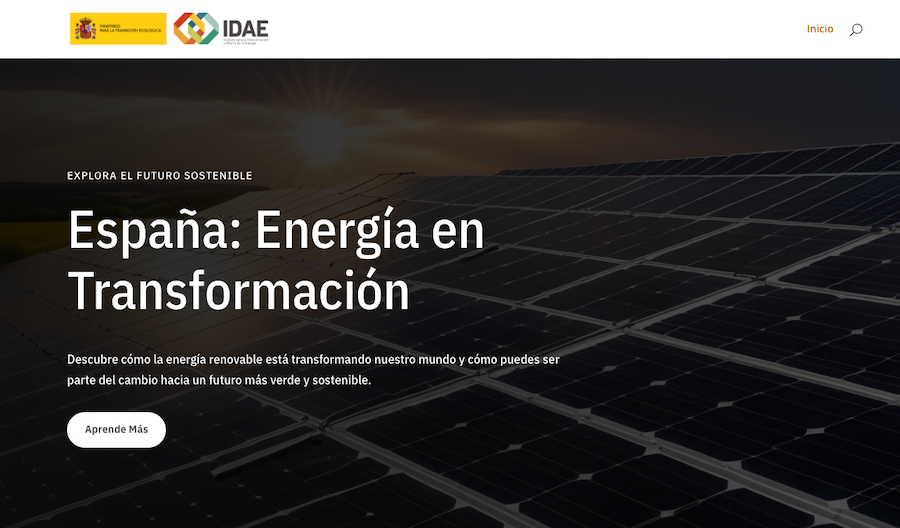
Working in multidisciplinary teams, students analysed the causes and consequences of the power outage, identified gaps in public knowledge, and developed innovative digital solutions, including interactive storytelling, immersive experiences and participatory communication formats. The project integrated strategic communication planning, digital narrative design and evidence-based science communication, strengthening competencies that are directly aligned with POWER’s broader educational and capacity-building objectives.
From a project perspective, this initiative connects primarily to WP3: Training Development, Piloting, and Capacity Building, by embedding energy-transition challenges into formal higher education teaching and strengthening student competencies in critical analysis, responsible communication and sustainability literacy. In parallel, it supports WP4: Communication, Dissemination, and Awareness Raising, as the outputs are conceived as public-facing digital resources designed to foster informed public debate and citizen engagement.
By placing students in the role of communication professionals responding to the needs of a public institution, the project reinforces experiential and practice-based learning, strengthens the connection between academia and policy contexts, and extends POWER’s impact through curricular innovation and applied training focused on sustainability and the energy transition.