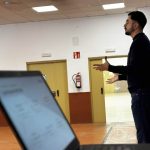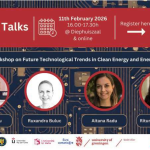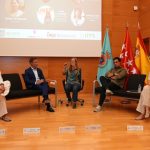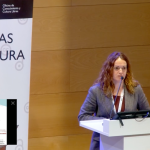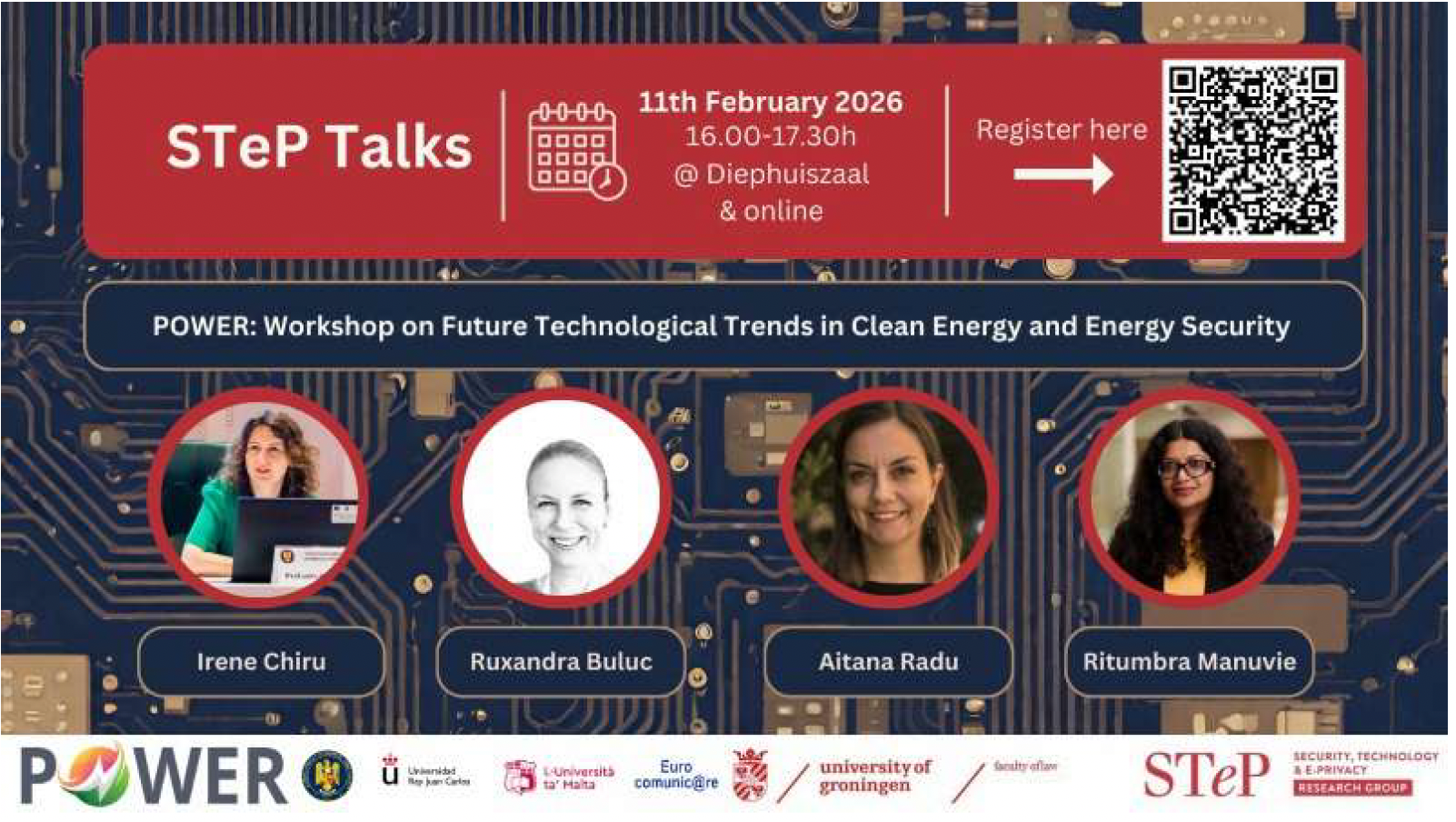
On 11 February 2026, representatives of the POWER project participated in a special edition of the STeP Talks organised by the University of Groningen (The Netherlands), dedicated to exploring the intersection between clean energy technologies, energy security, and disinformation. The event brought together researchers, academics, and students interested in understanding how emerging technological developments can both support and challenge the clean energy transition.
The workshop, entitled “Future Technological Trends in Clean Energy and Energy Security”, was organised within the framework of the Erasmus+ project POWER – Prevention of Weaponization and Enhancing Resilience against Security-related Disinformation on Clean Energy. The session featured contributions from Ruxandra Buluc and Irena Chiru (National Intelligence Academy “Mihai Viteazul”, Romania), Aitana Radu (University of Malta), and Ritumbra Manuvie (University College Groningen).
During the event, the speakers presented preliminary findings from the POWER project, including the development of a multilingual lexicon related to clean energy, the identification of disinformation narratives targeting renewable energy technologies, and the analysis of online conversations surrounding major energy-related events such as the 2025 Iberian blackout. The workshop highlighted how disinformation actors exploit public concerns regarding renewable energy, climate policies, and technological innovation to undermine trust in the energy transition.
Particular attention was devoted to emerging technologies such as long-duration energy storage systems and AI-enabled grid management, discussing both their potential contribution to energy resilience and the types of misinformation and disinformation narratives that may arise around them. Participants explored how legitimate concerns can be manipulated into misleading narratives and reflected on effective strategies to strengthen public resilience against false or misleading information.
The workshop concluded with an interactive discussion on future disinformation trends in the energy sector, the challenges of communicating scientific evidence in a polarised information environment, and the role of education and media literacy in supporting informed public debate on clean energy technologies.
The participation of POWER in the STeP Talks series contributed to the dissemination of the project’s ongoing research and fostered dialogue with an international academic audience on one of the most pressing challenges facing the energy transition: ensuring that public discussions about clean energy are informed by evidence rather than manipulated by disinformation.